
Once upon a time, in Jabal Al-Natheef, an old Amman neighbourhood with its challenges, a boy was born in 1996 into a family of industrial tradesmen. At 14 he was selling shoes in Souq Al-Sukkar, downtown. But he dreamed of making something different.


Outside the market, the scouts shaped his skills and taught him to think differently. He refused to be ordinary, so he made a monthly magazine for his troop. It was his first taste of media.


So media became his first turning point. A training place at Radio Al-Najah, a Hikaya Center initiative, helped him grow his skills early.

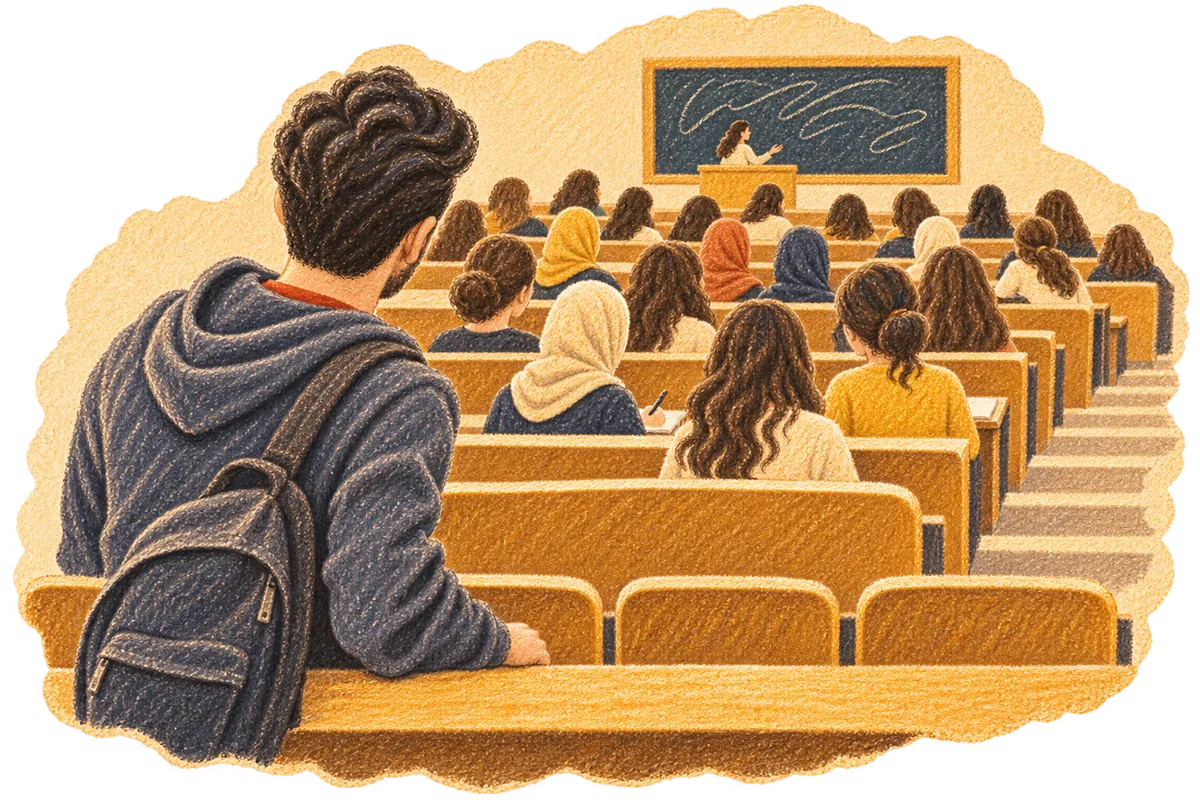
Then came the shock. His grades, and a budget with no room for private universities, led him to The Hashemite University and a major he never chose: early childhood education, seen locally as a major for women. He planned to stay one semester, then transfer.


So he worked by day, at Hikaya and then at Success Network 21, and studied by night. And every night, his mother stayed up to make him dinner. She didn't have to. She never missed a night.
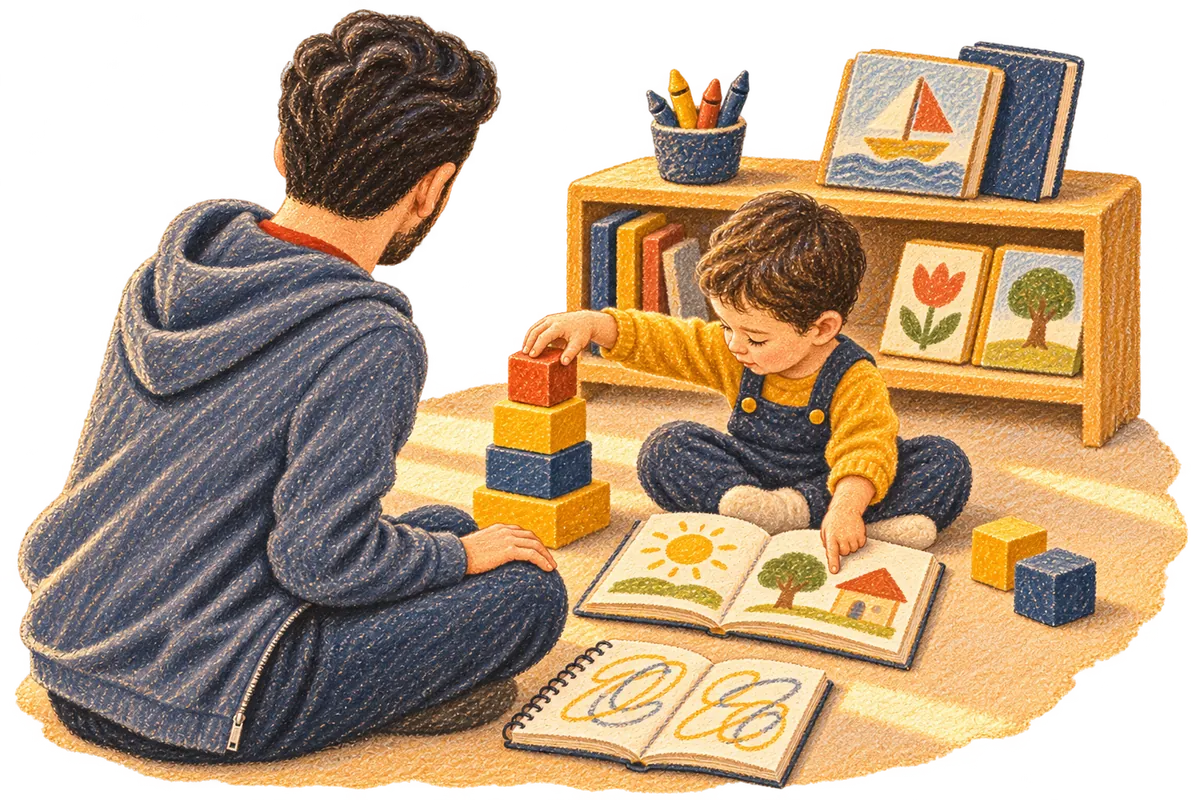
Then, by chance, he started an e-learning project at Hikaya. Strangely, the answers to its problems were in his textbooks, the ones nobody cared about. He dug in, and never transferred. A question stayed with him: how do people learn before they can even read?
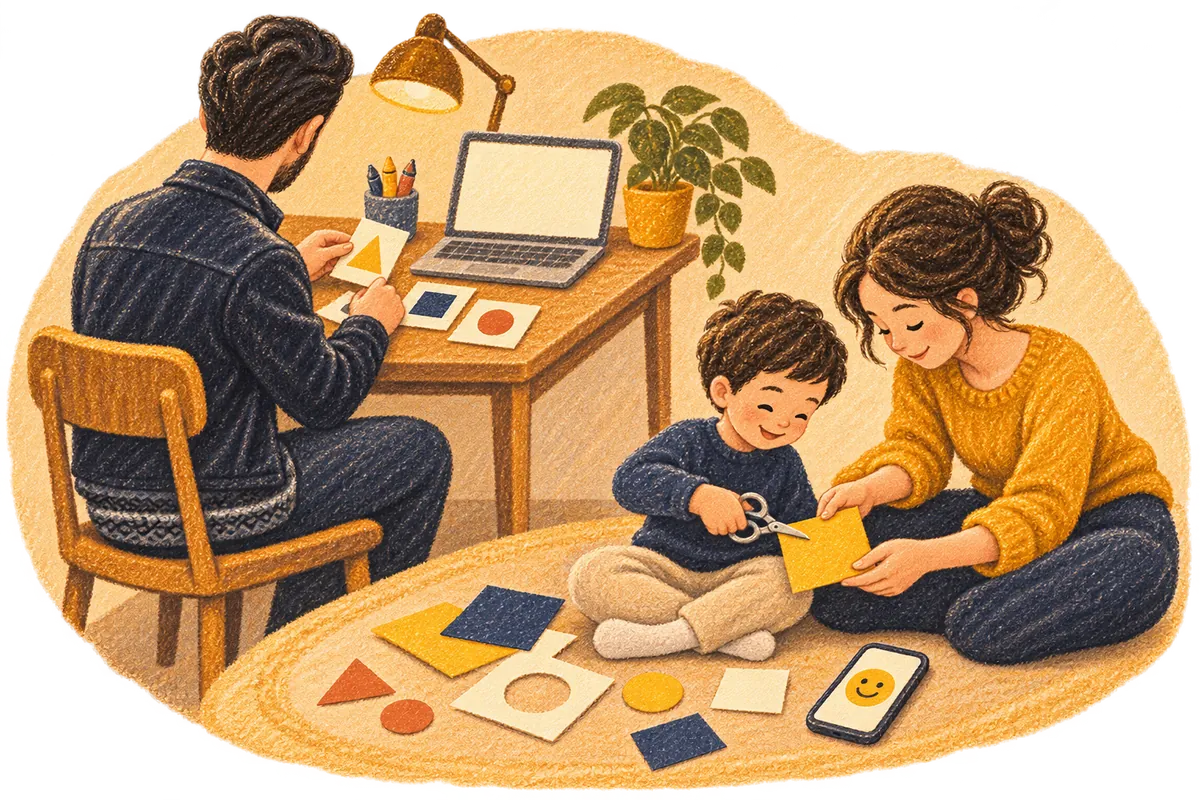
Education, he realised, needed new tools and a new logic, built on a deep understanding of its methods. So in 2016, with friends, he founded SDEQ, Arabic for “friend”: an assistant helping parents spend real time with their children. It reached over 100,000 families.


SDEQ took him all the way to Ricardo Karam's show. On air, he thanked his mother for every night she stayed up, and said: “I don't dream at night. I dream by day, and then I go and work on it.”


Recognition followed: two Zain awards, for media and social entrepreneurship, Youth for Change at the Bibliotheca Alexandrina, a Badir Fellowship from the International Youth Foundation, and Jordan's 30 Under 30. Through the Global Shapers, he reached a World Economic Forum stage in 2019.


But SDEQ came too early: the team thought in data and AI; the market wanted online shops. Luckily, a leading investor backed them anyway, seeing the loss coming, to give young people a chance.
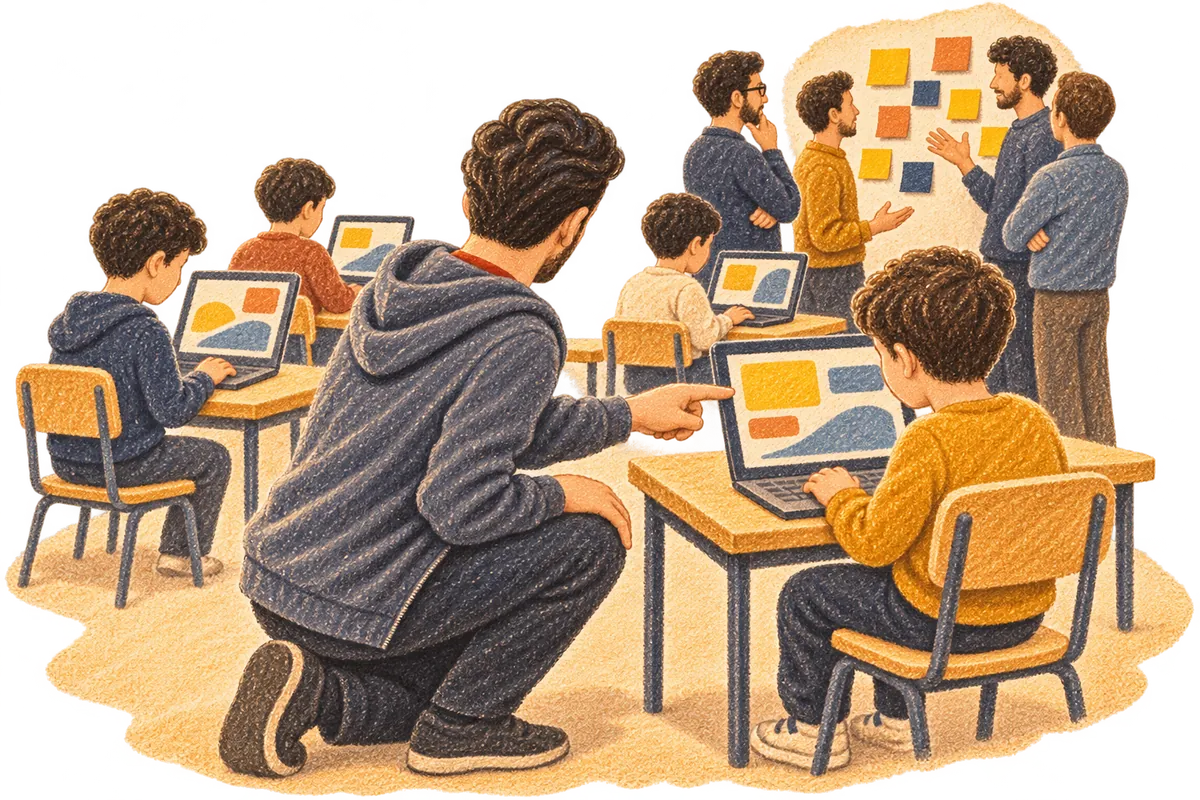
SDEQ didn't make it. But it was full of lessons, and they had already opened doors: at I Learn he trained children across Jordan in digital skills, and at Tammey he helped shape programmes for young people.
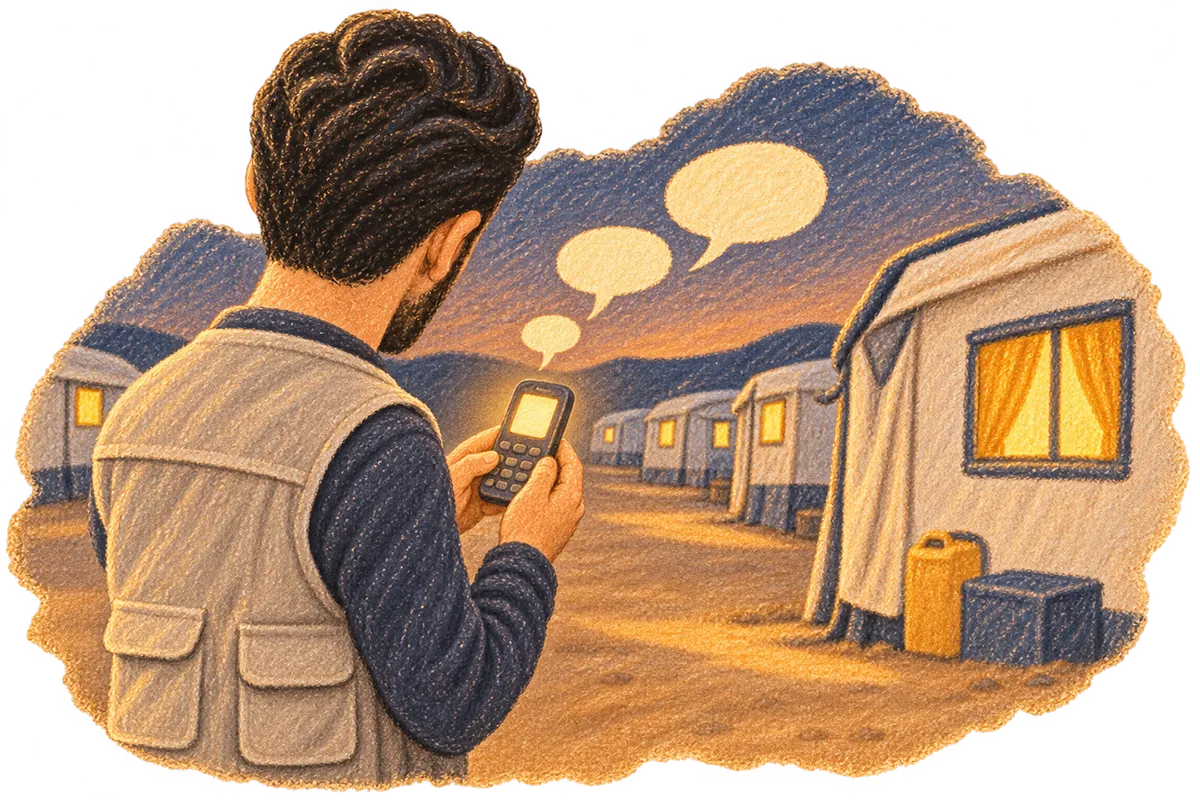
In 2020 he joined civic to work with UNICEF in two Syrian refugee camps, helping people start their own ventures. Then COVID shut everything. So he solved one challenge after another to keep remote learning going where the infrastructure was weakest.

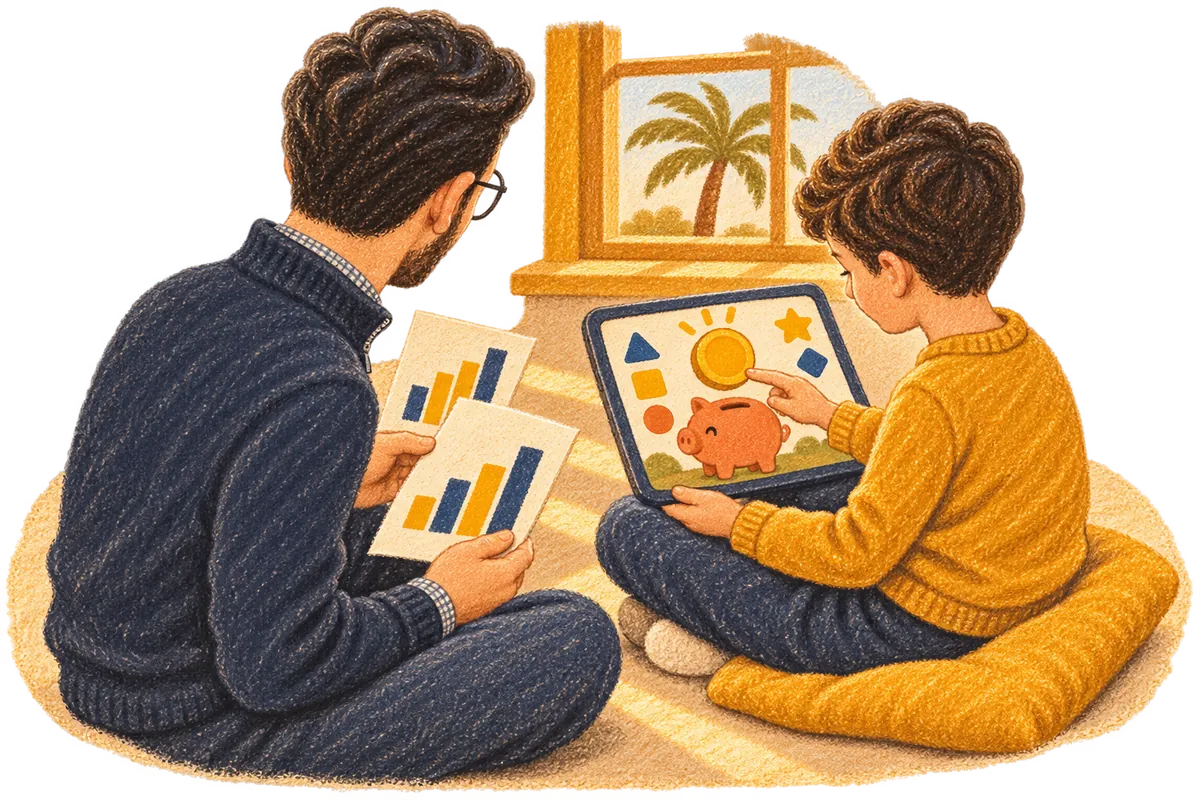
Then came the years far from home. In 2021 he moved to Saudi Arabia, where at MeemAin he built games that measure what children know without feeling like a test, from financial literacy and cybersecurity to Arabic literacy, giving decision-makers real data.

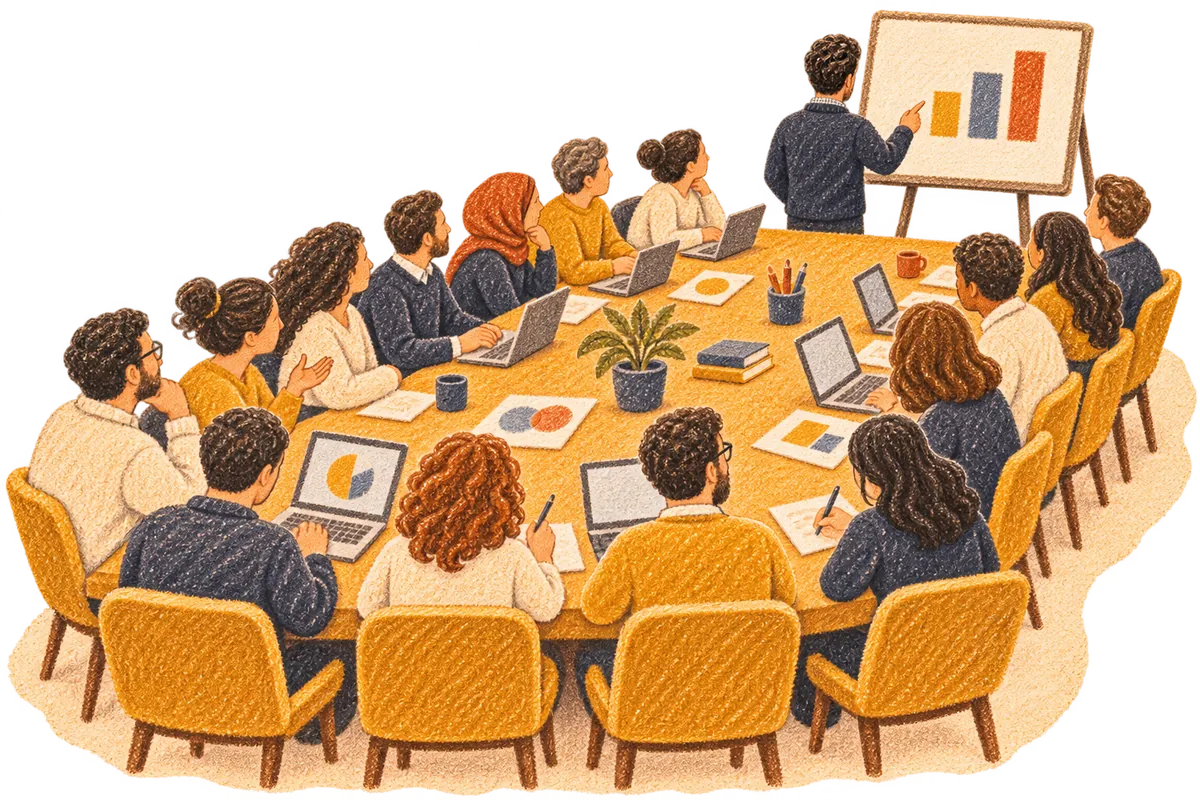
He grew through role after role, until he was running the whole organisation. The team grew from 4 to 15, serving over 200,000 students. Then he chose depth over title and went back to research. The old question had never left him.
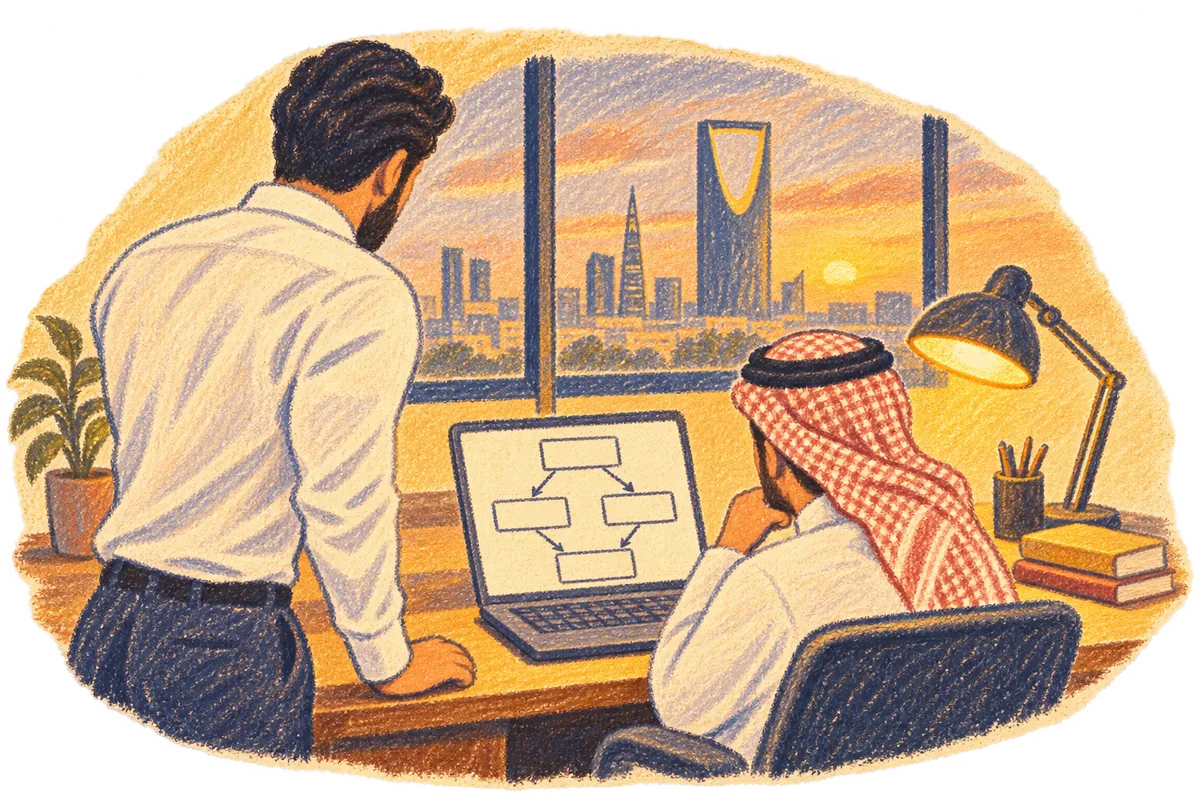
Today he's on a new journey in Riyadh, leading EduArabia, a regional e-learning company, and trying with his team to build change. His rule is simple: AI is the tool. Human expertise is the product.


On the side, he explores how AI can serve researchers at Warraq, and tests ideas that weren't possible before, like new tools for lawyers.


Hi, I'm Qusai. Still the boy from Jabal Al-Natheef who wants to make something different. I love meeting anyone who cares about how people learn.
